
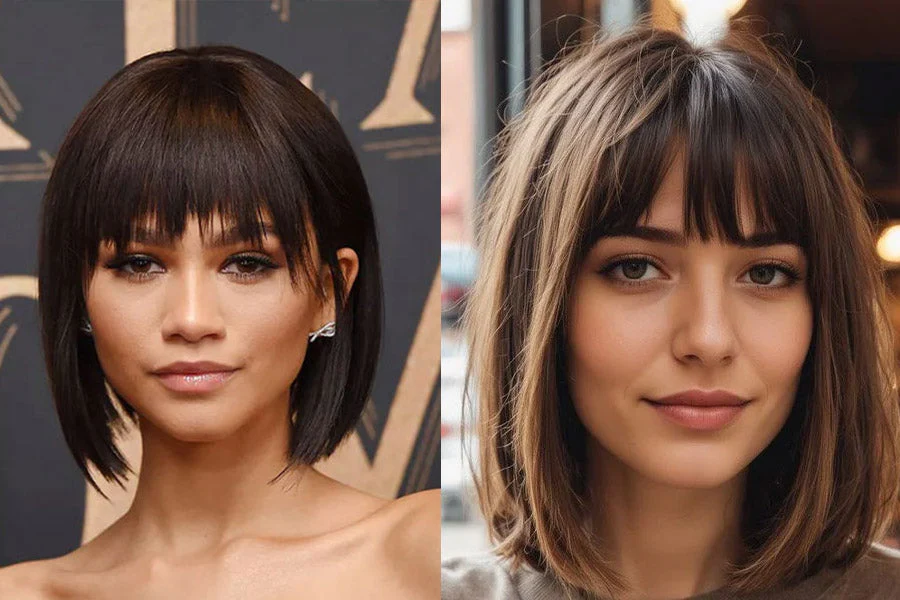
You’ve been staring at your reflection for weeks. You keep pulling your hair forward, draping it across your forehead, imagining the change. You want to do something — but bangs feel permanent, unpredictable, and a little terrifying.
Here’s the truth: bangs are one of the most transformative things you can do to your hair. They frame the face, change proportions, hide what you don’t love, and highlight what you do. They’ve been worn by icons from Audrey Hepburn to Beyoncé, and in 2025, they’re more versatile — and more in style — than ever.
This guide covers everything you need to know about bangs: the types, the face shape rules, the styling tricks, the maintenance realities, and the honest pros and cons. Whether you’re about to sit down in a stylist’s chair or just exploring the idea, this is the only fringe guide you’ll need.
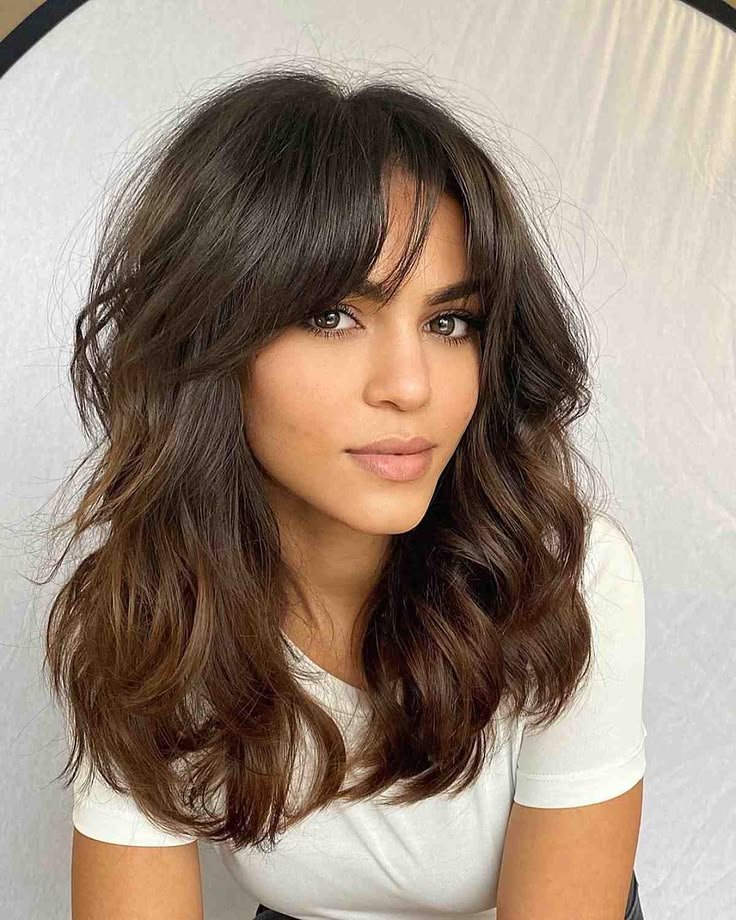
What Are Bangs? (And Why They’re Having a Moment)
Bangs — also called a fringe — are sections of hair that are cut to fall over the forehead, rather than being swept back or pulled behind the ears. The length, weight, and shape of the cut determines the style: they can be blunt and bold, airy and wispy, parted like curtains, or so short they barely graze your brow.
A Brief History of Bangs
The fringe has deep roots across cultures. Ancient Egyptian art shows figures with full, straight-cut bangs — a style that signaled both status and aesthetics. In the 1920s, Louise Brooks turned the blunt bob with heavy bangs into an emblem of the Jazz Age. Brigitte Bardot popularized wispy, voluminous bangs in the 1960s. Audrey Hepburn made the sleek fringe synonymous with elegance. By the 1990s, scene-setting bangs were a teen staple. Today, the curtain bang — made famous by artists like Alexa Chung and the resurgence of ’70s fashion — dominates social feeds worldwide.
Why Bangs Are Trending Again in 2025
According to Google Trends data, searches for “curtain bangs” and “how to cut bangs” have surged steadily since 2021 and remain near peak interest in 2025. Pinterest reports bangs among the top pinned hair styles year over year. The appeal? They’re one of the most low-commitment, high-impact hair changes you can make — and they photograph beautifully, which matters in the social-media era.
Types of Bangs: Every Style You Need to Know
Not all bangs are created equal. The cut, weight, and placement change the look entirely. Here’s your complete directory.
Blunt Bangs
Cut straight across in a single, uniform line, blunt bangs (sometimes called full bangs or fringe) are bold and graphic. Think Uma Thurman in Pulp Fiction. They sit above or at the brow and have no layering or softening. Best for: straight or fine hair, oval and heart face shapes.
Curtain Bangs
The reigning champion of the 2020s. Curtain bangs are center-parted and swept to either side, framing the face like — you guessed it — open curtains. They’re longer in the center or have a soft V-shape, making them incredibly versatile and forgiving during grow-out. Best for: almost every face shape. Particularly flattering on round and oval faces.
Side-Swept Bangs
Long, angled bangs that fall to one side. They can be blunt or layered, heavy or wispy. Side-swept bangs are among the most forgiving styles because they add asymmetry, which visually slims the face and balances strong features. Best for: round, square, and heart face shapes.
Wispy Bangs
Light, thin, and feathery — wispy bangs are cut with texture and movement. They’re often achieved with point-cutting or a razor comb. Rather than creating a heavy line across the forehead, they hint at a fringe without committing fully. Best for: fine hair, oval and long face shapes, people wanting a soft, romantic look.
Baby Bangs (Micro Bangs)
Ultra-short — ending well above the eyebrow, sometimes at mid-forehead. Baby bangs are fashion-forward and edgy, with a vintage flair reminiscent of Twiggy and Edie Sedgwick. They require confidence and frequent trimming (every 3–4 weeks). Best for: strong facial features, oval faces, those wanting a statement style.
Bottleneck Bangs
A hybrid: shorter in the center (around brow-length) and longer on the sides, mimicking the shape of a bottle’s neck. They’re softer than blunt bangs and more structured than curtain bangs. Best for: oval and oblong faces; adds width to narrower face shapes.
Brow-Grazing Bangs
These sit right at or just above the eyebrows, giving a slightly longer, more relaxed version of the classic blunt bang. They’re current and cool without being as severe as a true blunt fringe. Best for: most face shapes.
Textured / Choppy Bangs
Cut with a razor or texturizing shears to create an uneven, layered edge. They have a lived-in, effortless quality that suits rock, boho, and editorial styles. Best for: thick hair (texture removes bulk), oval and oblong faces.
How to Choose the Right Bangs for Your Face Shape
Featured Snippet Answer: The best bangs for your face shape depend on what you want to emphasize or balance. Oval faces can wear almost any style. Round faces benefit from curtain or side-swept bangs that add length. Square faces look great with wispy or side-swept bangs. Heart faces suit brow-grazing or full blunt bangs. Long faces can use full, heavy bangs to visually shorten the face.
Oval Face Shape
Lucky you — an oval face is universally proportioned and works with nearly every bang style. Blunt, curtain, wispy, baby — try them all. Just consider your hair texture and maintenance preferences.
Round Face Shape
Avoid full, heavy blunt bangs that echo the circular shape. Instead, go for curtain bangs or side-swept styles that create a vertical line and add the illusion of length. Wispy textures work better than thick, heavy cuts.
Square Face Shape
Soften the angular jaw with side-swept bangs or feathery, wispy styles. Avoid sharp, geometric cuts that mirror the face’s angularity. Curtain bangs with some movement are an excellent choice.
Heart Face Shape
A wider forehead and narrower chin mean bangs can actually balance your proportions. Full or blunt bangs minimize forehead width beautifully. Brow-grazing bangs and bottleneck styles are particularly flattering.
Oblong / Long Face Shape
Full blunt bangs are your best friend — they create a horizontal line that visually shortens the face. Avoid side-swept or curtain styles that emphasize length. The heavier and more horizontal the cut, the better.
Bangs by Hair Type: What Works Best
Fine or Thin Hair
Fine hair can be overwhelmed by heavy blunt bangs that look sparse. Opt for wispy or curtain bangs, which work with your hair’s natural movement. Avoid cutting too many hairs into your bang section — keeping more density helps them look fuller.
Thick Hair
Thick hair holds its shape well — blunt and full bangs look intentional and lush. However, heavy bangs on thick hair can cause them to puff, separate, or flip outward. Texturizing the underside with thinning shears prevents this. Ask your stylist about point-cutting the interior for control.
Curly or Wavy Hair
Curls require a longer cut to account for shrinkage when dry. What looks like mid-forehead length when wet may spring up to above the brow when dry. Curly bangs look stunning and natural, but maintenance is higher. Curtain bangs and wispy styles tend to work best; avoid blunt cuts unless you straighten regularly.
How to Style Bangs: A Step-by-Step Guide
Tools You’ll Need
- Round brush (small or medium)
- Hair dryer with nozzle attachment
- Light-hold hairspray or texturizing spray
- Flat iron (optional, for smoothing)
- Dry shampoo (for second-day freshness)
Styling Straight or Blunt Bangs
- Start with slightly damp bangs — not soaking wet.
- Using the nozzle attachment on your dryer, direct airflow downward over the fringe.
- Sweep a round brush through the bangs as you dry, rolling slightly at the ends to control flipping.
- Finish with a light-hold spray to set in place.
- For a smoother, more polished result, follow with a flat iron on low heat.
Styling Curtain Bangs
- Part the bangs down the center.
- Take each side separately and, using a round brush, sweep outward and slightly downward.
- Direct the dryer sideways — following the direction you’re sweeping — to set the shape.
- A touch of texturizing spray gives a lived-in finish.
- Let them cool fully before touching to hold the shape.
How to Pin Back or Grow Out Bangs Gracefully
Growing out bangs is notoriously frustrating. The awkward in-between stage (typically 3–6 months) can be managed with:
- Bobby pins tucked behind the part for a clean, purposeful look
- A half-up style that incorporates the bangs into a small section pulled back
- Curtain-bang styling — even if your bangs aren’t cut as curtain bangs, parting them in the middle and sweeping to the sides mimics the look
- Accessories: headbands, barrettes, and clips turn the grow-out phase into a style moment
Pros and Cons of Getting Bangs
| Pros | Cons |
|---|---|
| Frames the face and enhances features | Requires regular trimming (every 4–8 weeks) |
| Can minimize a large forehead | High maintenance styling daily |
| Adds youthfulness and freshness | Can look flat or greasy quickly |
| Highly versatile — many styles available | Awkward grow-out phase can last months |
| Works with any hair length | Not ideal for all hair textures without proper care |
| Can transform a look without cutting length | May not suit all face shapes equally |
Why This Matters
Bangs aren’t just a haircut — they’re a framework for how the face is perceived. Research in aesthetic psychology consistently shows that the forehead-to-face ratio significantly influences how we read features. Bangs alter this ratio immediately, making small adjustments feel dramatic. For many people, a fringe is also deeply personal: a post-breakup change, a way to reclaim identity, or simply the courage to try something new.
Understanding which bangs suit your face shape, hair type, and lifestyle prevents a costly or frustrating mistake — and sets you up for a cut you’ll love from day one.
Expert Recommendations
From celebrity hairstylists and editorial experts:
- Consult before you cut. Always have a consultation with your stylist before committing. Bring reference photos — “bangs” means something different to everyone.
- Consider your morning routine. Bangs require daily attention. If you frequently air-dry or wear your hair up, low-maintenance curtain or wispy bangs are your best bet.
- Don’t cut your own bangs wet. Hair shrinks when it dries. What looks perfect wet often lands well above the brow once dry. Always cut dry, or allow extra length when cutting wet.
- Ask for “bang-compatible” layers. Your stylist should blend the bang into the rest of the haircut to prevent a visible line where bangs end and the rest begins.
- Product is everything. A dry shampoo at the roots keeps bangs fresh between washes. Avoid heavy conditioners on the fringe — they weigh it down and cause faster greasiness.
Common Mistakes to Avoid
- Cutting too short on the first try. You can always go shorter; you can’t undo it. Start longer.
- Ignoring your natural part. Fighting your natural part causes bangs to separate or misbehave. Work with it.
- Skipping the maintenance trim. Overgrown bangs lose their shape and start to look unkempt quickly.
- Over-washing. Washing bangs daily strips oils and causes breakage. Dry shampoo extends freshness.
- Choosing style over texture compatibility. A razor-sharp blunt cut on curly hair will rarely look as intended. Match style to your natural texture.
FAQ
Q: Do bangs suit everyone? With the right style, nearly everyone can wear bangs. The key is matching the cut to your face shape, hair texture, and maintenance willingness.
Q: How often do bangs need to be trimmed? Every 4–8 weeks for most styles. Baby bangs and blunt cuts may need trimming every 3–4 weeks to maintain their shape.
Q: Can I cut my own bangs at home? Yes, but take precautions: use sharp hair scissors (never kitchen scissors), cut dry, go slowly, and trim less than you think you need. Many tutorials exist for home curtain bang trims.
Q: Are curtain bangs still in style in 2025? Yes. Curtain bangs remain one of the most-searched and most-worn fringe styles globally. Their versatility and grow-out friendliness keep them perennially popular.
Q: How do I stop my bangs from getting greasy so quickly? Touching your bangs frequently transfers oil from your hands. Try to keep hands away from your forehead, use a light dry shampoo at the roots, and consider washing just the bang section between full washes.
Q: What are the best bangs for fine hair? Wispy or curtain bangs work best for fine hair, as they create the illusion of lightness and movement without looking sparse or flat.
Q: How long does it take to grow out bangs? Depending on your hair’s growth rate (typically 0.5 inches per month), reaching chin length from a short blunt bang takes roughly 12–18 months.