- Who Were the Barbarians?
- Major Barbarian Tribes in History
- Barbarian Lifestyle and Culture
- Barbarian Warfare – Strategy, Weapons, and Tactics
- Barbarians vs. The Roman Empire
- The Battle of Teutoburg Forest (9 AD)
- The Sack of Rome (410 AD)
- The Fall of the Western Roman Empire (476 AD)
- Modern Portrayal of Barbarians
- Why Are Barbarians Still Popular Today?
- Conclusion
- FAQs About Barbarians
The word “Barbarians” often brings to mind images of fierce warriors, wild tribes, and powerful invasions that shaped the ancient world. From the Germanic tribes who challenged the Roman Empire to the Huns, Vikings, Celts, and Mongols, barbarians played a major role in world history.
But who exactly were the Barbarians? And why does their legacy still fascinate us today?
In this detailed blog, we explore the origins, tribes, culture, warfare, and lasting impact of the Barbarians, and how they are portrayed in movies, games, and modern media.
Who Were the Barbarians?
The term “Barbarian” originally came from the ancient Greeks, who used the word “barbaros” to describe anyone who did not speak Greek. To them, foreign languages sounded like “bar-bar,” so the word simply meant non-Greek or foreigner.
Later, the Romans adopted the term to describe tribes outside their empire—especially:
- Germanic tribes
- Goths (Visigoths and Ostrogoths)
- Vandals
- Huns
- Celts
- Saxons
- Franks
- Vikings
Over time, “barbarian” came to mean uncivilized, warlike, or savage, although many of these tribes were actually highly organized and skilled.
Major Barbarian Tribes in History
1. The Germanic Tribes
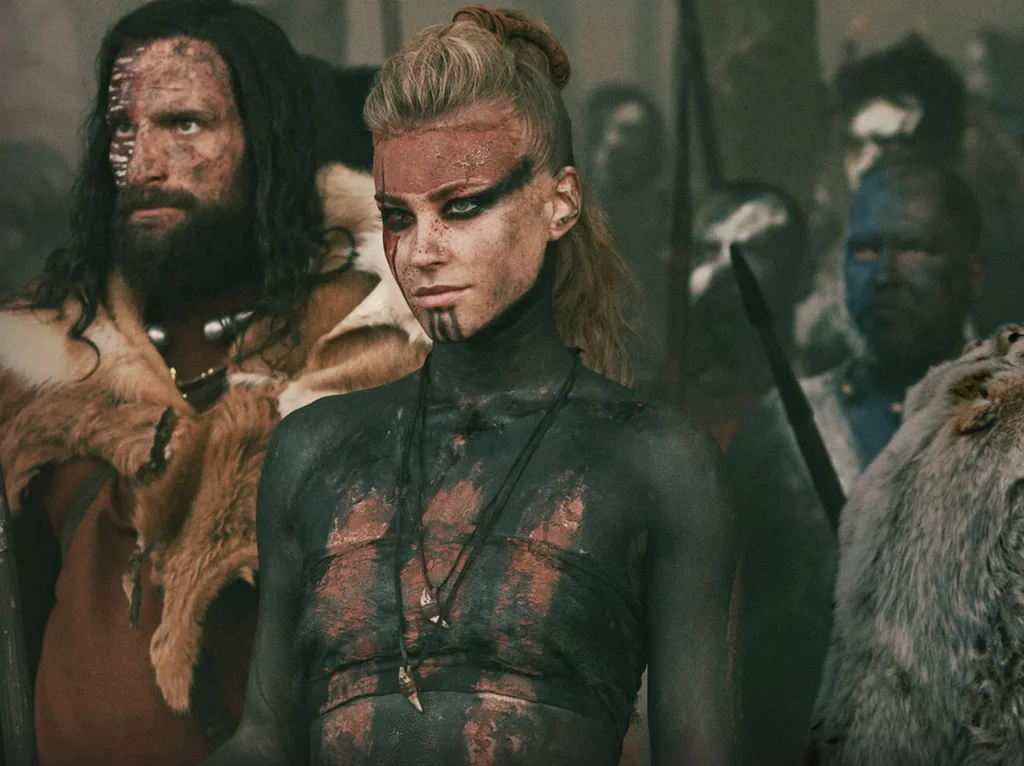
These tribes were Rome’s biggest rivals and included the:
- Goths
- Vandals
- Franks
- Saxons
- Lombards
They lived in Northern Europe and were known for their bravery, loyalty, and fierce combat skills.
2. The Celts
The Celts occupied areas of:
- Ireland
- Scotland
- Wales
- France
- Central Europe
They were known for their strong warrior culture, druids, and artistic metalwork.
3. The Huns
Led by the famous Attila the Hun, they were nomadic warriors from Central Asia. Their fast horseback tactics struck fear into the Roman Empire.
4. The Vikings
Originating from Scandinavia, Vikings were:
- Skilled sailors
- Traders
- Explorers
- Fearsome raiders
They traveled to Europe, Asia, and even North America.
5. The Mongols
Under Genghis Khan, the Mongols created the largest land empire in history through strategy, skill, and psychological warfare.
Barbarian Lifestyle and Culture
While Roman writers often portrayed barbarians as savages, many tribes had rich and advanced cultures.
Farming & Settlements
Most barbarian tribes lived in villages, farmed crops, and raised livestock.
Leadership
Tribes were usually led by:
- Chiefs
- Kings
- Councils of elders
Religion
They believed in:
- Nature gods
- Warrior spirits
- Ancestors
- Magic and rituals
The Vikings, for example, worshipped gods like Odin, Thor, and Freyja.
Art and Craft
Many tribes produced:
- Jewelry
- Weapons
- Metalwork
- Wooden carvings
The Celts were especially known for their intricate designs.
Barbarian Warfare – Strategy, Weapons, and Tactics
Barbarians were feared for their warrior strength and battle skills.
Common Weapons
- Swords
- Axes
- Spears
- Shields
- Bows
- War hammers
Tactical Advantages
- Knowledge of forests and mountains
- Fast movement
- Surprise attacks
- Horseback archery (Huns & Mongols)
- Strong physical endurance
Battle Styles
Many tribes fought in groups based on:
- Family connections
- Warrior brotherhoods
- Tribal loyalty
This created strong unity and fearlessness.
Barbarians vs. The Roman Empire
The Roman Empire clashed many times with barbarian tribes. Some key historical events include:
The Battle of Teutoburg Forest (9 AD)
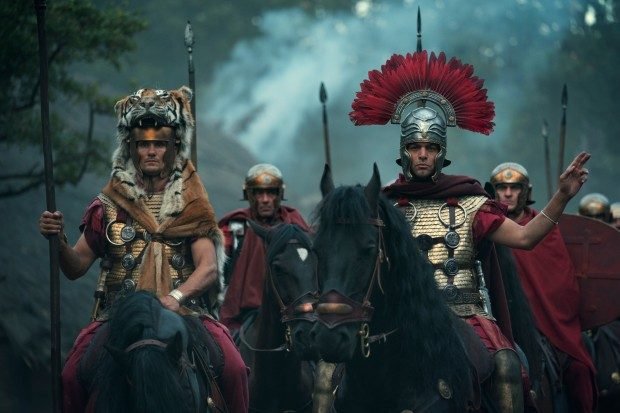
Germanic tribes destroyed three Roman legions, stopping Rome’s expansion in Northern Europe.
The Sack of Rome (410 AD)
The Visigoths, led by Alaric, famously invaded Rome.
The Fall of the Western Roman Empire (476 AD)
The Germanic leader Odoacer overthrew the last Roman emperor, marking the end of Roman rule in the West.
These events changed the course of European history forever. Buccaneers Drama Series
Modern Portrayal of Barbarians
Today, barbarians appear in:
Movies
- Conan the Barbarian
- The 13th Warrior
- The Northman
TV Series
- Barbarians (Netflix)
- Vikings
- The Last Kingdom
Games
- Assassin’s Creed Valhalla
- God of War
- Total War: Attila
- Age of Empires
These portrayals often mix history with fantasy, making barbarians seem larger than life.
Why Are Barbarians Still Popular Today?
People love barbarian stories because they represent:
- Courage
- Freedom
- Rebellion
- Strength
- Survival
Their world was raw and unpredictable—perfect for storytelling, movies, and gaming.
Conclusion
The Barbarians were far more than just wild warriors. They were complex tribes with vibrant cultures, strong traditions, and important roles in shaping world history. Whether it’s the Germanic tribes, Vikings, Celts, or Mongols, their influence can still be seen in today’s culture, entertainment, and historical studies.
Their legacy reminds us that history is not just about empires—but also about the powerful tribes that challenged them.
FAQs About Barbarians
1. Who were the Barbarians?
They were ancient tribes living outside Greek and Roman civilizations, including Goths, Vikings, Celts, Huns, and others.
2. Why did Romans call them Barbarians?
Because they didn’t speak Latin or Greek and seemed culturally different.
3. Were Barbarians uncivilized?
Not completely. Many tribes had their own governments, religions, art, and laws.
4. Did Barbarians help end the Roman Empire?
Yes, several barbarian invasions contributed to the fall of the Western Roman Empire.
5. Why are Barbarians popular in movies and games?
Their warrior lifestyle and dramatic history make great action and adventure stories.