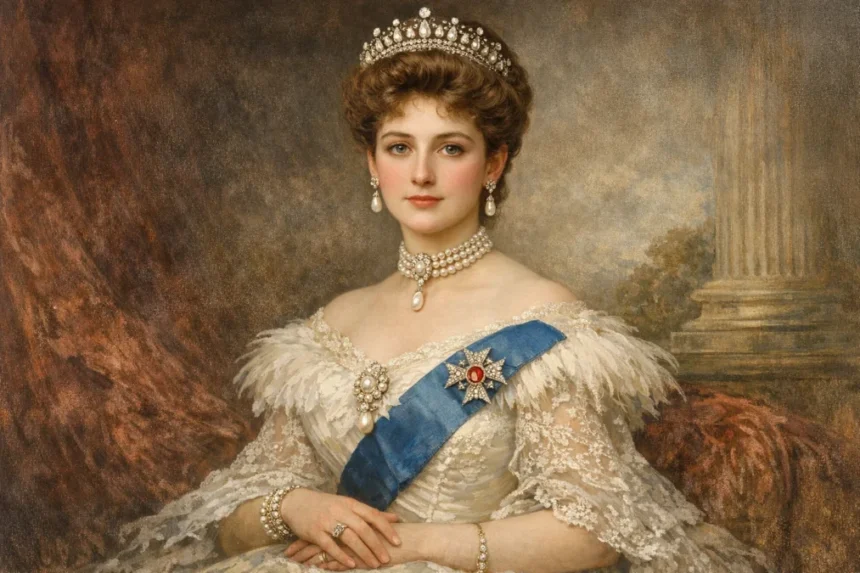
Elizabeth Mary Wilhelmina Bentinck is a name that carries a sense of history, heritage, and quiet distinction. Rooted in European aristocratic tradition, the Bentinck family name has long been associated with nobility, diplomacy, land stewardship, and cultural influence. While Elizabeth Mary Wilhelmina Bentinck may not be widely known in popular culture, her significance lies in the historical and familial context she represents. Her life reflects a blend of tradition, personal identity, and the evolving role of aristocratic families in a changing world.
- The Bentinck Family Heritage
- Early Life and Background
- The Meaning Behind Her Name
- Aristocratic Life in a Changing Era
- Privacy and Personal Identity
- Cultural and Social Influence
- The Role of Women in Aristocratic Families
- Historical Context and Legacy
- Why Interest in Elizabeth Mary Wilhelmina Bentinck Endures
- The Symbolism of the Bentinck Name
- Reflections on Historical Memory
- Frequently Asked Questions
- Who was Elizabeth Mary Wilhelmina Bentinck?
- Is Elizabeth Mary Wilhelmina Bentinck a public historical figure?
- What is the origin of the Bentinck family?
- Why is there limited public information about her life?
- What does her name signify?
- Did Elizabeth Mary Wilhelmina Bentinck hold any titles?
- What role did aristocratic women play during her era?
- Why is there modern interest in her name?
- How does she fit into European history?
- What is her lasting legacy?
- Conclusion
This article offers a rich and detailed exploration of Elizabeth Mary Wilhelmina Bentinck, focusing on her background, historical context, family lineage, and the broader meaning of her place within the Bentinck legacy. Rather than sensationalizing or speculating, this blog emphasizes respectful understanding and historical depth.
The Bentinck Family Heritage
To understand Elizabeth Mary Wilhelmina Bentinck, it is essential to understand the Bentinck family itself. The Bentincks are a prominent noble family with roots extending back centuries, particularly associated with British and Dutch aristocracy. Over time, members of the Bentinck family held titles, estates, and influential positions in political, military, and social spheres.
The family’s prominence grew notably in Britain after William Bentinck, a close companion of King William III, rose to power. From that point forward, the Bentinck name became synonymous with service, loyalty, and high social standing. Elizabeth Mary Wilhelmina Bentinck was born into this legacy, inheriting not just a surname but a historical identity shaped by generations before her.
Early Life and Background
Elizabeth Mary Wilhelmina Bentinck’s early life was shaped by the traditions and expectations typical of aristocratic upbringing. While detailed public records about her personal childhood remain limited, it is reasonable to understand that her formative years would have included a strong emphasis on education, cultural awareness, and social responsibility.
Children born into noble families were often raised with a deep awareness of history and duty. Education typically included languages, literature, arts, and an understanding of social etiquette. These early influences often shaped lifelong values such as discretion, resilience, and respect for heritage, qualities frequently associated with the Bentinck family name.
The Meaning Behind Her Name
The name Elizabeth Mary Wilhelmina Bentinck itself reflects a blending of cultural and historical significance. “Elizabeth” has long been a name associated with strength and continuity within European royalty. “Mary” carries traditional and religious resonance, while “Wilhelmina” reflects strong Dutch and royal connections.
Together, these names suggest a heritage that bridges national histories and aristocratic traditions. Naming conventions in noble families often honor ancestors, allies, or admired figures, reinforcing a sense of lineage and continuity. Elizabeth Mary Wilhelmina Bentinck’s name alone serves as a testament to her family’s historical connections.
Aristocratic Life in a Changing Era
Elizabeth Mary Wilhelmina Bentinck lived in a period when aristocratic roles were evolving. The traditional power structures of European nobility were gradually shifting, influenced by social reform, modernization, and changing public attitudes.
For many aristocrats, this transition meant redefining their roles. Rather than exercising political dominance, families increasingly focused on cultural preservation, philanthropy, and social engagement. Elizabeth Mary Wilhelmina Bentinck’s life fits within this broader narrative of adaptation, where legacy was preserved through quieter, more personal contributions rather than public authority.
Privacy and Personal Identity

One of the defining aspects of Elizabeth Mary Wilhelmina Bentinck’s story is privacy. Unlike modern public figures, many individuals from aristocratic backgrounds lived lives intentionally removed from public scrutiny. This discretion was considered a virtue, protecting both personal dignity and family reputation.
This emphasis on privacy means that much of Elizabeth Mary Wilhelmina Bentinck’s life remains known primarily within family circles rather than public archives. Far from diminishing her significance, this privacy underscores the values of restraint and humility often associated with traditional aristocracy.
Cultural and Social Influence
Although not widely documented as a public figure, Elizabeth Mary Wilhelmina Bentinck’s cultural influence would have been felt through family, community, and social networks. Aristocratic women historically played crucial roles in maintaining social cohesion, supporting charitable causes, and preserving cultural traditions.
Through hosting gatherings, supporting local initiatives, or maintaining estates, women like Elizabeth Mary Wilhelmina Bentinck contributed significantly to the social fabric of their time. Their influence was subtle yet enduring, shaping values and relationships across generations.
The Role of Women in Aristocratic Families
Elizabeth Mary Wilhelmina Bentinck’s life also reflects the broader role of women within noble families. While often excluded from formal political power, aristocratic women were central to education, cultural patronage, and social diplomacy.
They acted as custodians of tradition, ensuring that family values and histories were passed down. Their influence extended into art, literature, and social reform, even if it was not always publicly recognized. Elizabeth Mary Wilhelmina Bentinck stands as part of this lineage of women whose contributions were foundational rather than flamboyant.
Historical Context and Legacy
The era in which Elizabeth Mary Wilhelmina Bentinck lived was marked by profound changes across Europe. Industrialization, social reform movements, and shifts in governance reshaped society. Aristocratic families were challenged to remain relevant while honoring their past.
Elizabeth Mary Wilhelmina Bentinck’s legacy lies in how she embodied continuity amid change. By maintaining family traditions while adapting to new realities, she represents a bridge between historical aristocracy and the modern world.
Why Interest in Elizabeth Mary Wilhelmina Bentinck Endures
Interest in figures like Elizabeth Mary Wilhelmina Bentinck often stems from curiosity about heritage and identity. In a world that moves quickly and values visibility, there is something compelling about lives lived with quiet purpose.
Her story invites reflection on how history is preserved not only through famous deeds but through everyday choices, family bonds, and respect for tradition. Elizabeth Mary Wilhelmina Bentinck reminds us that legacy is not always loud, but it is lasting. Jack Grealish Wife
The Symbolism of the Bentinck Name
The Bentinck name continues to symbolize continuity, service, and aristocratic heritage. Elizabeth Mary Wilhelmina Bentinck’s association with this name connects her to centuries of history and influence.
Names like hers carry stories embedded within them, stories of alliances, responsibilities, and evolving identities. Understanding her place within this lineage deepens appreciation for how family histories shape individual lives.
Reflections on Historical Memory
Historical memory often favors prominent leaders and dramatic events, but individuals like Elizabeth Mary Wilhelmina Bentinck challenge that focus. Her life illustrates the importance of remembering those who sustained traditions, supported communities, and upheld values quietly.
Such reflections broaden our understanding of history, reminding us that it is composed not only of grand narratives but also of personal journeys and inherited responsibilities.
Frequently Asked Questions
Who was Elizabeth Mary Wilhelmina Bentinck?
She was a member of the historically significant Bentinck family, known for its aristocratic heritage and influence.
Is Elizabeth Mary Wilhelmina Bentinck a public historical figure?
She is not widely recognized as a public figure, but her importance lies in her family lineage and historical context.
What is the origin of the Bentinck family?
The Bentinck family has roots in both Dutch and British aristocracy, with centuries of documented history.
Why is there limited public information about her life?
Aristocratic families often valued privacy, and many individuals lived meaningful lives away from public attention.
What does her name signify?
Her name reflects royal, religious, and cultural influences common in noble naming traditions.
Did Elizabeth Mary Wilhelmina Bentinck hold any titles?
Specific titles associated with her are not widely documented publicly.
What role did aristocratic women play during her era?
They played key roles in education, cultural preservation, social diplomacy, and philanthropy.
Why is there modern interest in her name?
Interest often arises from genealogical research, historical curiosity, and exploration of noble lineages.
How does she fit into European history?
She represents continuity within aristocratic families during periods of social and political change.
What is her lasting legacy?
Her legacy lies in her connection to heritage, tradition, and the enduring influence of the Bentinck family.
Conclusion
Elizabeth Mary Wilhelmina Bentinck may not be a household name, but her story carries depth, meaning, and historical resonance. Through her family heritage, cultural context, and quiet influence, she represents a form of legacy that values continuity over spectacle.
In exploring her life, we gain insight into the broader narrative of aristocratic history and the individuals who sustained it through changing times. Elizabeth Mary Wilhelmina Bentinck stands as a reminder that history is not only shaped by those in the spotlight, but also by those who preserve values, identity, and tradition with grace and discretion.