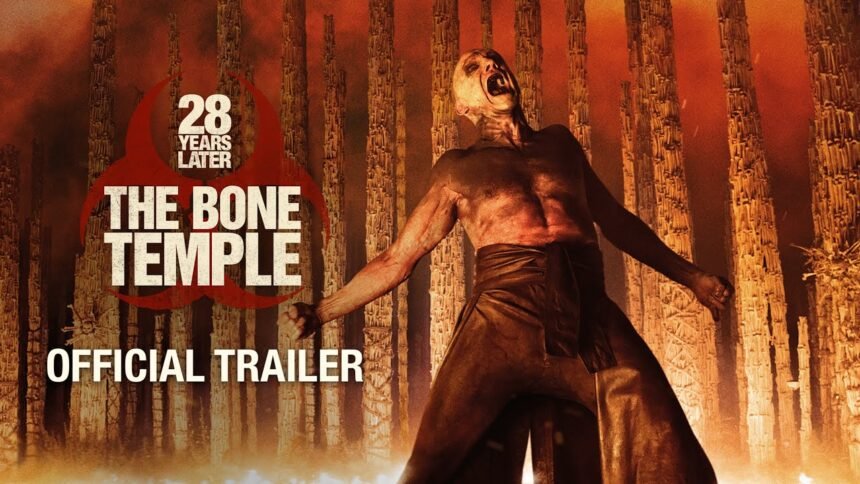
“28 Years Later: The Bone Temple” is a haunting continuation of a world shaped by devastation, fear, and fragile hope. Building on the legacy of post-apocalyptic storytelling, this narrative takes audiences deeper into a civilization struggling to survive decades after the initial outbreak. The Bone Temple stands as both a symbol of humanity’s desperation and a monument to its resilience.
Set nearly three decades after the collapse of society, this chapter explores what happens when survival becomes tradition and trauma is passed from generation to generation. Unlike earlier survival tales focused on immediate chaos, “The Bone Temple” reveals a world where people have adapted to horror, creating new cultures, beliefs, and brutal systems of control.
This blog explores the storyline, themes, characters, symbolism, and deeper meanings behind “28 Years Later: The Bone Temple.” Whether you are a fan of dystopian fiction or psychological thrillers, this story offers a chilling experience worth dissecting.
The World 28 Years After the Outbreak
By the time “The Bone Temple” begins, the world has changed beyond recognition. Cities have decayed into skeletal remains, nature has reclaimed streets, and surviving humans live in isolated tribes. Technology exists only in fragments, and stories of the past are passed down like myths.
Children born after the outbreak have never known normal life. They grow up learning how to hunt, hide, and fight. Schools no longer teach math or history; instead, they teach survival tactics, weapon handling, and threat detection.
Fear is no longer shocking—it is routine.
What Is the Bone Temple?
The Bone Temple is a massive structure built from the remains of the dead. It stands in the center of a powerful settlement ruled by a cult-like leadership. Bones are used not only as building material but also as sacred symbols representing sacrifice, obedience, and rebirth.
To outsiders, the temple is horrifying. To its followers, it is holy ground.
The Bone Temple serves multiple purposes:
- A religious sanctuary
- A political headquarters
- A prison
- A warning to enemies
Skulls line the walls, and bones form arches. Each piece tells a story of conquest or punishment.
Main Plot Summary
The story follows Mara, a young woman born into a wandering survivor clan. Her father once escaped the Bone Temple and warned her never to go near it. After a raid destroys her community, Mara is captured and taken to the temple.
Inside, she discovers a rigid hierarchy ruled by The High Speaker, a man who claims divine authority. Followers believe the outbreak was punishment from the gods, and only obedience will prevent another catastrophe.
Mara is forced to participate in rituals, some involving public confessions and brutal punishments. Slowly, she uncovers secrets about the temple’s origins and learns that the leaders manipulate fear to maintain power.
As she befriends another captive named Joren, they plan an escape. Their journey reveals hidden tunnels beneath the temple—filled with forgotten technology and evidence of the truth behind the outbreak. ibomma telugu movies download
Key Characters
Mara
Strong-willed and intelligent, Mara refuses to surrender her humanity. Her courage drives the story forward.
Joren
A former temple guard who lost his family to the cult. He helps Mara navigate the temple’s dangers.
The High Speaker
Charismatic and terrifying. He controls followers using fear, prophecy, and violence.
Elder Sava
One of the few who remembers life before the outbreak. She secretly helps Mara.
Themes Explored in The Bone Temple
1. Power and Control
The cult uses religion to control people, showing how fear can create blind loyalty.
2. Loss of Identity
Survivors are stripped of names and given numbers, erasing individuality.
3. Generational Trauma
Children inherit the fears of their parents, creating endless cycles of pain.
4. Truth vs. Belief
The story questions what happens when lies become history.
5. Hope in Darkness
Even in the worst conditions, humanity finds ways to resist.
Symbolism of Bones
Bones represent:
- Mortality
- Memory
- Control
- Sacrifice
The temple itself is a reminder that every life lost strengthens the regime’s power. It shows how leaders exploit death to inspire obedience.
The Rituals of the Temple
Followers perform daily rituals:
- Chanting apologies for humanity’s sins
- Offering bone fragments
- Public punishments
- Loyalty oaths
These rituals break individual will and strengthen group control.
The Escape Plan
Mara and Joren discover a hidden tunnel beneath the altar. It leads to an underground vault containing old recordings from before the outbreak. These files reveal that the virus was not divine punishment but a failed government experiment.
This truth could destroy the temple’s authority.
Their escape is brutal. Guards chase them through tunnels filled with traps. Joren is wounded but survives. They emerge outside the settlement, free but hunted.
Ending Explained
The story ends with Mara broadcasting the truth through an old radio tower. Some settlements hear her message, while others dismiss it as lies.
The Bone Temple remains standing, but cracks appear in its control. Rebels begin to rise. The ending is bittersweet—freedom exists, but danger remains.
What Makes This Story Unique
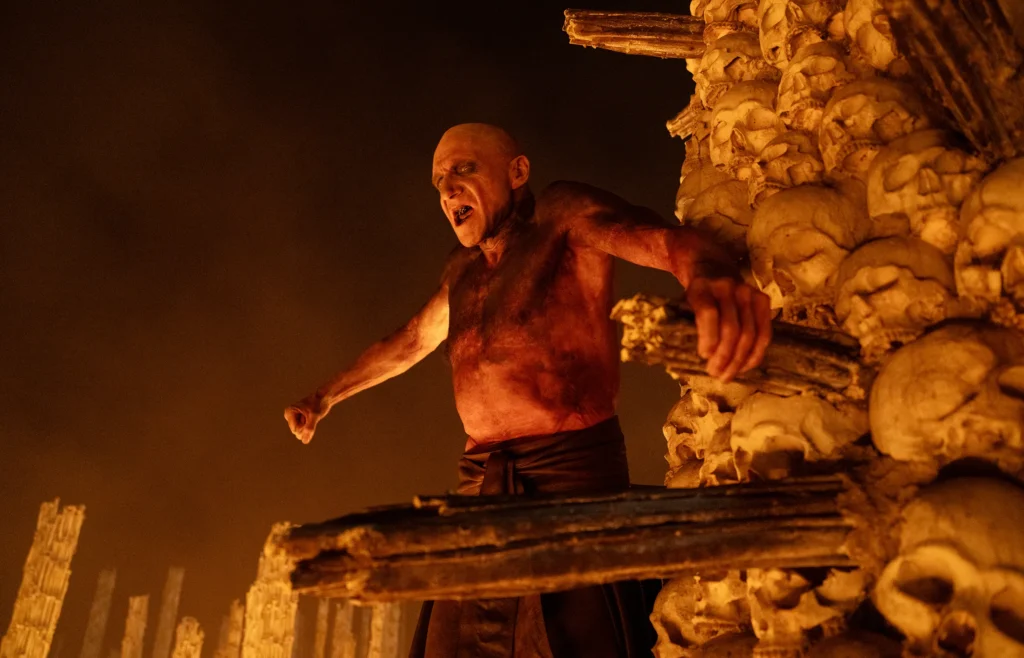
Unlike traditional zombie or outbreak stories, “The Bone Temple” focuses on human systems created after disaster. The real monsters are not infected beings but those who exploit fear.
The slow psychological horror makes it more disturbing than fast-paced action stories.
Fan Theories
- The High Speaker knew the truth all along
- Elder Sava was part of the original experiment
- The temple’s tunnels connect to other secret bases
- Mara’s broadcast sparks a global rebellion
Cultural Impact
Fans praise the story for its depth, symbolism, and strong female lead. It explores how belief systems form after societal collapse and how easily people surrender freedom for safety.
Future Possibilities
If continued, future chapters may show:
- The fall of the Bone Temple
- Mara forming a resistance group
- Other cult settlements
- The truth behind the virus
Conclusion
“28 Years Later: The Bone Temple” is a chilling exploration of power, belief, and survival. It moves beyond surface-level horror and dives into psychological warfare, showing how humans become both victims and villains.
The Bone Temple stands as a terrifying symbol of what happens when fear replaces truth. Mara’s journey reminds us that even in a broken world, courage and knowledge can ignite change.
This story leaves readers questioning authority, belief systems, and the fragile line between protection and oppression. It is not just a survival tale—it is a warning about what humanity can become when hope disappears. tojifushiguro.co.uk
FAQs
1. What is 28 Years Later: The Bone Temple about?
It is a post-apocalyptic story about survivors living under a cult that worships a bone-built temple.
2. Is this connected to previous outbreak stories?
Yes, it is set decades after a global disaster.
3. Who is the main character?
Mara, a young survivor captured by the cult.
4. What does the Bone Temple represent?
Power, fear, and control through belief.
5. Is the story based on real events?
No, it is fictional.
6. What genre is this story?
Post-apocalyptic, psychological thriller, dystopian.
7. Who is the villain?
The High Speaker, leader of the cult.
8. Is there a sequel planned?
The ending suggests potential continuation.
9. What message does the story give?
Blind belief can be more dangerous than disaster itself.
10. Does Mara escape?
Yes, but she remains hunted.
11. Are there infected creatures?
No, the focus is on human threats.
12. Why are bones used in the temple?
To symbolize sacrifice and control.
13. Is the story violent?
Yes, it includes dark and intense scenes.
14. What makes this different from zombie stories?
It focuses on human systems, not monsters.
15. Is this suitable for all ages?
No, it contains mature themes.