Since its debut in 2004, Strictly Come Dancing has become a cornerstone of British television entertainment. Broadcast on BBC One, the show combines glamour, athleticism, and celebrity appeal, turning ordinary Saturday nights into a spectacular celebration of dance. With its blend of ballroom and Latin dance competitions, audience voting, and professional partnerships, Strictly Come Dancing has captivated millions of viewers and inspired countless spin-offs worldwide.
- Overview of the Strictly Come Dancing
- Format and Competition Structure
- Professional Dancers and Celebrities of Strictly Come Dancing
- Judging and Scoring in Strictly Come Dancing
- Notable Features and Spin-offs
- Impact and Cultural Significance
- Why Strictly Come Dancing Remains Popular
- Conclusion
- FAQ – Strictly Come Dancing
Overview of the Strictly Come Dancing
- Genre: Reality, Competition, Dance
- Network: BBC One
- Debut: 15 May 2004
- Format: Weekly live dance competition featuring celebrity and professional dancer pairings
- Hosts: Traditionally hosted by Tess Daly and Claudia Winkleman, with professional judges including Shirley Ballas, Craig Revel Horwood, Anton Du Beke, and Bruno Tonioli.
The show pairs celebrities from diverse backgrounds—actors, athletes, presenters, and more—with professional dancers, challenging them to master various dance styles over the course of a season.
Format and Competition Structure
Strictly Come Dancing follows a weekly elimination format, combining judges’ scores with public voting:
- Pairings: Each celebrity is paired with a professional dancer.
- Weekly Performances: Couples perform dances like the waltz, cha-cha, tango, foxtrot, salsa, and jive, among others.
- Judging: A panel of professional judges scores each performance based on technique, artistry, and entertainment value.
- Public Voting: Viewers vote for their favorite couples, influencing who stays in the competition.
- Dance-offs: The bottom-scoring couples face off, giving judges the final decision on eliminations.
- Finals: The season culminates in a grand finale, where the top couples perform multiple dances to compete for the Glitterball Trophy.
This combination of expert judgment and audience participation ensures that the show remains dynamic and unpredictable, keeping viewers engaged throughout the season.
Professional Dancers and Celebrities of Strictly Come Dancing
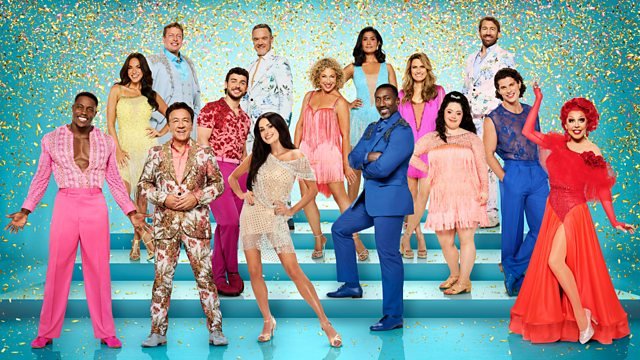
The success of Strictly Come Dancing depends not only on the celebrity contestants but also on the professional dancers who train, choreograph, and perform alongside them. Iconic professionals include Oti Mabuse, Anton Du Beke, Karen Hauer, and Giovanni Pernice, among others.
The show attracts a wide range of celebrities, from soap stars and reality TV personalities to athletes and musicians. The diverse cast ensures that each season offers fresh entertainment, drama, and inspiring journeys of personal growth and performance improvement.
Judging and Scoring in Strictly Come Dancing
The panel of judges is critical to the show’s drama:
- Shirley Ballas: Known as “The Queen of Ballroom,” provides technical expertise and mentoring.
- Craig Revel Horwood: Often the strictest judge, providing honest critiques.
- Anton Du Beke: Brings professional insight and charisma to the panel.
- Bruno Tonioli: Famous for high energy and entertaining feedback.
Judges award points out of 10 for each performance. Combined with public votes, the scores determine the weekly rankings and who faces elimination. 4Blocks Movie
Notable Features and Spin-offs
- Christmas Specials: Annual celebrity specials for charity, often featuring previous contestants.
- Strictly Come Dancing: It Takes Two: A companion show providing behind-the-scenes interviews and expert analysis.
- International Influence: Inspired spin-offs worldwide, including the U.S. Dancing with the Stars.
- Memorable Moments: Iconic performances, surprise eliminations, and emotional journeys have made the show a cultural phenomenon.
Impact and Cultural Significance
Strictly Come Dancing has achieved:
- High Viewership: Consistently one of the BBC’s top-rated shows.
- Cultural Impact: Introduced ballroom and Latin dance to a mainstream audience, inspiring new interest in dance schools and competitions.
- Celebrity Transformation: Many celebrities undergo remarkable journeys, improving confidence, fitness, and skill while endearing themselves to the public.
- Charitable Efforts: Some spin-offs and special episodes contribute to charitable causes, enhancing the show’s positive influence.
The series’ combination of glamour, competition, and human stories has made it a staple of British pop culture for nearly two decades.
Why Strictly Come Dancing Remains Popular
- Combines competition, performance, and celebrity appeal.
- Balances technical skill with entertainment, making it enjoyable for casual viewers and dance enthusiasts alike.
- Inspires personal growth stories, as celebrities transform on the dance floor.
- Engages audiences through interactive voting, fostering a sense of participation.
- Maintains freshness each season, with new celebrity contestants, professional dancers, and creative routines.
Conclusion
Strictly Come Dancing is more than a dance show; it’s a celebration of talent, dedication, and entertainment. By combining professional choreography, celebrity personalities, and audience interaction, it has become a beloved institution in British television. From breathtaking performances to emotional journeys and memorable moments, Strictly Come Dancing continues to inspire, entertain, and set the gold standard for reality dance competitions.
FAQ – Strictly Come Dancing
1. What is Strictly Come Dancing?
Strictly Come Dancing is a British reality dance competition where celebrities are paired with professional dancers to compete in ballroom and Latin dances.
2. When did Strictly Come Dancing premiere?
The show premiered in 2004 on BBC One.
3. Who hosts the show?
Tess Daly and Claudia Winkleman are the main hosts, while the judging panel includes Shirley Ballas, Craig Revel Horwood, Anton Du Beke, and Bruno Tonioli.
4. How does the competition work?
Each week, couples perform dances, receive scores from judges, and are voted on by the public. The combined scores determine who progresses and who faces elimination.
5. What are some popular dance styles featured on the show?
Styles include waltz, tango, cha-cha, foxtrot, samba, salsa, rumba, jive, and quickstep.
6. How are winners chosen?
Winners are crowned based on judges’ scores and audience votes, culminating in the grand finale where the Glitterball Trophy is awarded.
7. Are there any spin-offs of Strictly Come Dancing?
Yes, notable spin-offs include Strictly Come Dancing: It Takes Two and various Christmas specials.
8. Why is Strictly Come Dancing so popular?
The show combines glamorous performances, celebrity transformations, expert judging, and audience engagement, making it entertaining for a wide audience.
9. Can international viewers watch the show?
Yes, episodes are often available on BBC iPlayer and other international streaming platforms.
10. Has Strictly Come Dancing influenced global television?
Yes, it inspired the U.S. show Dancing with the Stars and numerous international adaptations, making it a global dance competition phenomenon.