
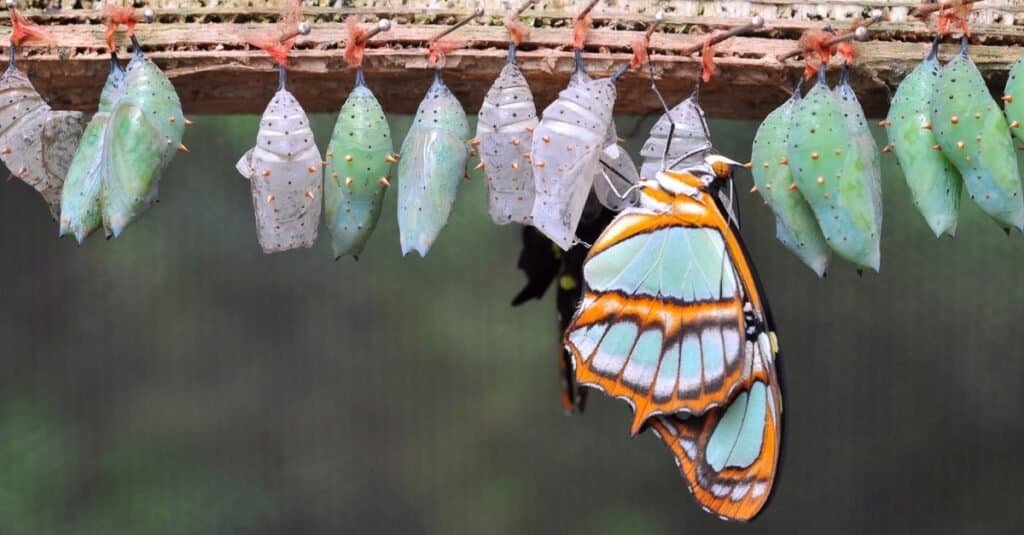
When we think about butterflies, most of us imagine vibrant wings fluttering gracefully in gardens or meadows. But before this delicate beauty emerges, there is a hidden world of transformation that occurs inside a small, protective casing. This fascinating structure is commonly known as a cocoon, though the term “cacoon” is sometimes seen in informal references. Whether called a cocoon or cacoon, it is a crucial stage in the life of many butterflies and moths, symbolizing nature’s extraordinary ability to create change and resilience.
What Is a Cocoon?
A cocoon is a silky, protective covering spun by certain insects, particularly butterflies and moths, during their pupal stage. Inside this casing, the insect undergoes metamorphosis, a process in which its body reorganizes from a larva (caterpillar) into a fully developed adult butterfly or moth. The cocoon serves as a shield, protecting the vulnerable pupa from predators, environmental hazards, and disease while allowing the insect to complete this transformative phase.
It’s important to note that while all butterflies undergo metamorphosis, not all species spin cocoons. Some butterflies form a chrysalis, which is a hard-shelled pupa without the silk casing. The confusion between cocoon and chrysalis often leads to the misspelling or misinterpretation of the word “cacoon.” In reality, the term “cacoon” is simply an alternative, informal spelling of cocoon, but the meaning remains the same: a protective covering during metamorphosis.
Life Cycle of the Butterfly
Understanding the role of the cocoon requires a closer look at the butterfly life cycle. The life cycle consists of four stages:
- Egg Stage: Female butterflies lay eggs on host plants suitable for caterpillar feeding. Each egg contains a tiny larva, ready to hatch.
- Larva (Caterpillar) Stage: Once hatched, the larva eats voraciously, consuming leaves and growing rapidly. This stage is crucial as it stores energy for metamorphosis.
- Pupa Stage (Cocoon/Chrysalis): The caterpillar forms a cocoon or chrysalis, where it undergoes dramatic physical changes. The cells of the larva break down and reorganize into the structures of the adult butterfly.
- Adult Butterfly Stage: The mature butterfly emerges, dries its wings, and begins its life as a flying adult, ready to mate and continue the cycle.
The cocoon, therefore, is more than just a protective shell; it is a laboratory of transformation where nature’s engineering works at its finest.
Cocoon vs. Chrysalis: Understanding the Difference
A common source of confusion is the difference between a cocoon and a chrysalis:
- Cocoon: Usually spun from silk by moths and some butterfly species. It is an external structure that encases the pupa. The silk may be smooth or densely layered, depending on the species.
- Chrysalis: Found in most butterflies, it is a hard, often shiny case formed from the larva’s outer skin itself, without the need for additional silk layers. The chrysalis is directly attached to a surface, often hanging from a leaf or branch.
While both serve the same purpose—protection during metamorphosis—they differ in material, appearance, and construction method. Understanding these differences helps enthusiasts and naturalists accurately identify and study these incredible stages.
The Amazing Transformation Inside the Cocoon
The metamorphosis inside a cocoon is one of the most fascinating processes in nature. During this period, the caterpillar undergoes significant biological changes:
- Cellular Breakdown: Certain larval cells are broken down, a process known as histolysis.
- Imaginal Discs: These are clusters of specialized cells present in the larva that develop into adult structures such as wings, legs, and antennae.
- Formation of Adult Structures: As the pupa continues to grow, the adult features take shape, preparing the insect for life outside the cocoon.
The process can take days or weeks, depending on the species and environmental conditions. Temperature, humidity, and seasonal cues often influence the duration of the pupal stage.
Types of Cocoons
Cocoons vary widely in shape, size, and texture, reflecting the diversity of species that produce them. Some common types include:
- Silk Cocoons: Typical of many moth species, these are spun entirely from silk threads produced by the larva.
- Leaf-Wrapped Cocoons: Some caterpillars roll or fold leaves around themselves, binding the edges with silk for added protection.
- Underground Cocoons: Certain species burrow into the soil before forming their cocoon, which provides additional insulation against temperature fluctuations and predators.
- Attached Cocoons: Often seen on tree branches or stems, these are fixed in place and are usually smooth and compact.
Each type of cocoon reflects an evolutionary adaptation to the species’ environment and lifestyle.
The Role of the Cocoon in Butterfly Conservation
Cocoons are not only a natural marvel but also play a role in conservation efforts. Many endangered butterfly species rely on secure pupal stages to survive threats like habitat loss and climate change. Butterfly farms and conservation programs often protect cocoons from predators and environmental hazards until the butterflies emerge. By understanding and preserving these natural shelters, humans can help maintain biodiversity and protect these delicate pollinators.
Fun Facts About Cocoons
- Silk Production: Some cocoons, particularly from silkworms, are harvested for silk, which is then used in textiles. While silkworms are domesticated, wild silk cocoons from butterflies are often left in nature to allow development.
- Color Changes: Some cocoons change color as the pupa inside develops, providing camouflage from predators.
- Temperature Sensitivity: Cocoons can pause development during cold seasons and resume when temperatures rise, a survival strategy known as diapause.
- Strength: Despite their delicate appearance, silk cocoons are surprisingly strong and can withstand harsh environmental conditions.
Observing Cocoons: Tips for Nature Enthusiasts
If you’re interested in watching the metamorphosis process, here are a few tips:
- Respect Nature: Never disturb wild cocoons. Observing from a distance ensures the butterfly can emerge safely.
- Create a Butterfly Garden: Plant host plants to attract caterpillars, which may naturally form cocoons.
- Indoor Observation: If you have access to a pupa, you can observe safely indoors using a ventilated container, ensuring proper humidity and temperature.
Observing cocoons can be both educational and awe-inspiring, offering a window into one of nature’s most remarkable transformations.
Conclusion
The cacoon or cocoon butterfly is a symbol of transformation, resilience, and the hidden beauty of nature. From a tiny egg to a voracious caterpillar, and finally into a delicate butterfly emerging from a cocoon, this life cycle illustrates the wonders of evolution and adaptation. Whether you call it a cocoon or a cacoon, this protective casing is a marvel of natural engineering, safeguarding life while facilitating profound biological change.
Next time you spot a butterfly, take a moment to imagine the tiny, hidden cocoon where it once underwent its miraculous transformation. These unassuming silk casings carry one of nature’s most remarkable stories—a story of growth, protection, and the enduring magic of life.
FAQ About Cacoon or Cocoon Butterfly
1. What is a cocoon or cacoon in butterflies?
A cocoon (sometimes informally spelled “cacoon”) is a protective silk covering spun by certain caterpillars during their pupal stage. Inside, the caterpillar transforms into an adult butterfly or moth.
2. Is “cacoon” the correct spelling?
The standard spelling is “cocoon.” “Cacoon” is an informal or mistaken variant, but it refers to the same structure.
3. Do all butterflies make cocoons?
No. Most butterflies form a chrysalis instead of a silk cocoon. Cocoons are more common among moths, though some butterflies also spin silk coverings.
4. What is the difference between a cocoon and a chrysalis?
- Cocoon: A silk covering spun around the pupa for protection.
- Chrysalis: A hard, often smooth outer shell formed from the caterpillar’s skin itself, without silk.
5. How long does a caterpillar stay in a cocoon?
The duration varies by species, temperature, and season. It can range from a few days to several weeks or even months in some cases.
6. Can I touch a cocoon without harming the butterfly?
It’s best not to disturb cocoons in the wild, as touching can damage the pupa inside. Indoor observation is safer if done carefully.
7. What types of cocoons exist?
Cocoons can be:
- Silk cocoons spun entirely from silk
- Leaf-wrapped cocoons
- Underground cocoons
- Attached cocoons fixed on branches or stems
8. Why are cocoons important in conservation?
Cocoons protect developing butterflies from predators and environmental hazards. Conservation programs often safeguard cocoons to help endangered species survive and thrive.
9. Can cocoons change color?
Yes. Some cocoons change color as the butterfly develops inside, which helps with camouflage against predators.